Unlocking Serenity: The Creative Potential of Buddha and Night Sky Digital Graphics
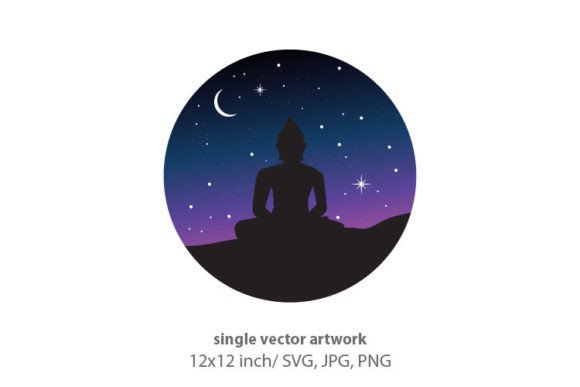
In the intersection of ancient wisdom and modern digital creativity lies a unique opportunity for expression. The combination of a Buddha figure set against a night sky is more than just an image; it is a visual narrative of peace, introspection, and cosmic connection. For designers, crafters, and entrepreneurs, accessing high-quality digital assets featuring this theme opens a world of possibilities. Whether you are creating a logo for a wellness brand, designing wall art for a meditation studio, or crafting handmade invitations, understanding the value of these graphic elements is the first step toward creating something truly meaningful.
This article explores the significance of the Buddha and night sky motif, breaks down the technical specifications of professional digital files (such as SVG, PNG, and JPG), and provides practical guidance on how to utilize these assets across various mediums. By grounding your creative projects in high-resolution, vector-based artwork, you ensure that your final products are not only beautiful but also technically sound for both print and web applications.
The Symbolism Behind the Design
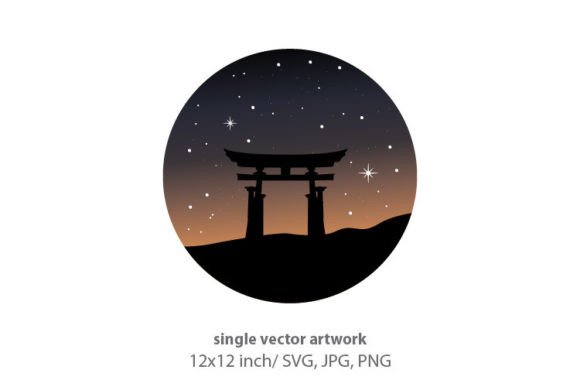
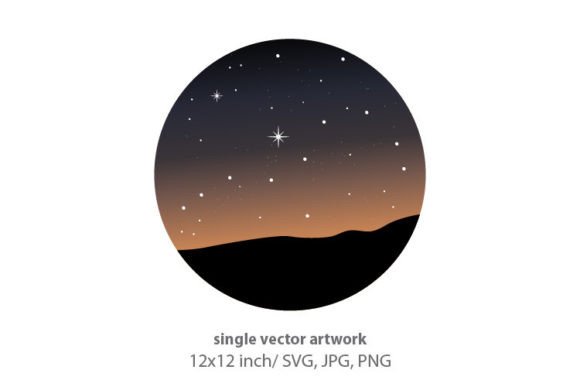
Before diving into the technical aspects of file formats and resolutions, it is essential to understand the purpose and significance of the imagery itself. The Buddha represents enlightenment, inner peace, and mindfulness. When placed against a backdrop of a night sky, often dotted with stars or illuminated by a moon, the imagery evokes a sense of vastness and tranquility. It suggests that peace can be found even in the darkness, and that wisdom illuminates the path forward.
In modern life, where stress and digital noise are prevalent, this visual combination serves as a powerful reminder to pause and breathe. For businesses in the wellness, yoga, or spiritual coaching sectors, using this iconography in a logo design instantly communicates a brand identity rooted in calmness and depth. It tells the customer, before they even read a word, that this space is safe, reflective, and grounded.
Why This Theme Resonates Today
The popularity of mindfulness practices has surged in recent years, moving from niche spiritual communities into mainstream corporate and educational settings. Consequently, the demand for visuals that reflect this shift has grown. A Buddha and night sky graphic fits seamlessly into:
- Wellness Centers: Creating an atmosphere of relaxation.
- Educational Materials: Teaching children about emotions and calmness.
- Home Decor: Providing a focal point for meditation corners.
- Tech Interfaces: Softening the user experience in mindfulness apps.
Understanding this context helps creators choose the right applications for their designs, ensuring the message aligns with the medium.
Decoding the Digital File Formats
When you acquire a digital graphics package, such as the one described containing an SVG, JPG, and PNG, you are receiving tools tailored for different stages of the creative process. To use them effectively, one must understand the distinct advantages of each format included in the zip file.
1. The SVG File: The Vector Powerhouse
The SVG (Scalable Vector Graphics) file is arguably the most valuable asset in the pack for serious designers. Created in vector programs like Adobe Illustrator, SVG files are math-based rather than pixel-based. This means they can be scaled up to the size of a billboard or down to the size of a favicon without losing any quality or becoming pixelated.
For logo design and web design, the SVG is indispensable. It allows web developers to embed the graphic directly into code, ensuring it loads quickly and looks crisp on any screen resolution, from mobile phones to 4K monitors. Furthermore, because it is a vector, colors can often be easily manipulated within design software to match specific brand palettes.
2. The PNG File: Transparency and Versatility
The PNG (Portable Network Graphics) file included in the package boasts a 300 DPI resolution with a transparent background. This is crucial for layering. If you want to place the Buddha and night sky icon over a textured paper background for an invitation card, or overlay it on a photograph for a social media post, the transparent background ensures no ugly white box surrounds your image.
PNGs are the go-to format for graphic design projects where you need high quality but do not need to resize the image significantly. They are perfect for printed paper items, stationery, and digital announcements.
3. The JPG File: Universal Compatibility
The JPG (Joint Photographic Experts Group) file, also at 300 DPI, is the universal standard for photography and general printing. While it does not support transparency, it offers excellent color compression and is compatible with virtually every device and printing service on earth. This file is ideal for quick previews, sharing with clients who may not have advanced design software, or for direct printing on standard photo paper.
Practical Applications for Creators
Having the right files is only half the battle; knowing how to apply them is where creativity shines. With an artboard size of 12x12 inches and a resolution of 300 DPI in the RGB color palette, these files are primed for high-quality output. Here is how you can leverage these assets in various projects:
- Handmade Craft Items: Use the PNG or JPG to create sublimation prints on mugs, t-shirts, or tote bags. The 300 DPI resolution ensures the details of the stars and the Buddha's expression remain sharp on fabric.
- Stationery and Invitations: Incorporate the SVG into custom wedding invitations or party decor. The serene theme works beautifully for evening events, memorial services, or mindfulness workshops.
- Wall Art: The 12x12 inch base can be scaled up using the SVG file to create large canvas prints or framed posters for home decor. The night sky theme adds depth to any room.
- Web and App Design: Utilize the SVG for website headers, app icons, or blog post illustrations. The lightweight nature of SVGs improves site loading speeds, which is a critical factor for SEO and user experience.
- Announcements and Cards: Create handmade cards for holidays or personal milestones. The juxtaposition of the spiritual figure and the cosmos makes for a thoughtful, contemplative message.
Color Considerations: RGB vs. CMYK
It is important to note that the provided files are in the RGB color palette. RGB (Red, Green, Blue) is the standard for digital screens. If you are designing for the web or digital displays, these colors will appear vibrant and accurate. However, if you are sending files to a professional commercial printer for large-scale production, you may need to convert these files to CMYK (Cyan, Magenta, Yellow, Key/Black). While modern printers handle RGB well, being aware of this distinction prevents unexpected color shifts in physical products.
Common Misunderstandings and Best Practices
A common assumption among beginners is that all image files are interchangeable. As discussed, using a low-resolution JPG for a large wall mural will result in a blurry, unprofessional finish. Always start with the highest quality source available—in this case, the vector SVG or the 300 DPI PNG.
Another misconception is regarding copyright and usage. When purchasing or downloading digital graphics, always verify the license. Most premium assets allow for personal and commercial use, but restrictions may apply regarding reselling the file "as is." You are generally expected to incorporate the graphic into a larger design, such as a finished card or a branded logo, rather than selling the raw SVG file itself.
Furthermore, when working with spiritual imagery like the Buddha, cultural sensitivity is paramount. Ensure that the placement of the image is respectful. For instance, in many cultures, placing religious imagery on items that touch the floor (like doormats) or disposable items (like napkins) is considered inappropriate. Understanding the cultural weight of the symbol adds a layer of professionalism and respect to your work.
Building a Broader Creative Skillset
Working with these digital elements is an excellent way to build broader design skills. By manipulating the SVG in Adobe Illustrator, you learn about anchor points, paths, and color fills. By preparing PNGs for print, you gain knowledge about DPI, bleed lines, and color profiles. These skills are transferable to countless other projects.
Moreover, the ability to blend traditional themes with modern technology is a highly valued skill in today's marketplace. Clients are constantly looking for designers who can take a classic concept—like meditation—and present it in a fresh, digitally optimized format. Mastering the use of these files positions you as a versatile creator capable of bridging the gap between heritage and innovation.
Conclusion
The fusion of a Buddha icon and a night sky background offers a timeless aesthetic that resonates with the modern desire for peace and connection. By utilizing a comprehensive digital package containing SVG, JPG, and PNG files, creators are equipped to produce high-quality work across a spectrum of mediums—from intricate handmade crafts to scalable web graphics.
Remember, the true value of these assets lies not just in the pixels or vectors, but in how they are used to tell a story. Whether you are designing a logo that inspires trust, creating wall art that calms the mind, or crafting an invitation that sets a serene tone, these digital tools provide the foundation for excellence. Embrace the technical details, respect the symbolism, and let your creativity flow into the vast night sky of possibilities.