Unlocking Creative Potential: A Guide to Factory, Diamond, and Clipart Vector Graphics for Modern Design
In the rapidly evolving world of digital design, the quality and versatility of your assets can make or break a project. Whether you are a seasoned graphic designer, a small business owner crafting a brand identity, or a hobbyist looking to create handmade crafts, understanding the power of high-resolution vector graphics is essential. Specifically, collections featuring industrial themes like factory buildings, luxury elements such as diamonds, and general-purpose clipart offer a unique blend of utility and aesthetic appeal. When these elements are crafted with precision in professional software like Adobe Illustrator, they become invaluable tools for creators across various industries.
This article explores the significance of using vector-based artboards sized at 12x12 inches with a 300 DPI resolution in RGB color palettes. We will delve into why file formats like SVG, JPG, and PNG matter, how these digital elements fit into modern workflows, and the endless possibilities they unlock for logo design, wall art, stationery, and web development.
The Foundation: Understanding Vector Graphics and Technical Specifications
To truly appreciate the value of these digital assets, one must first understand the technology behind them. Unlike raster images, which are made of pixels and can become blurry when enlarged, vector graphics are built using mathematical paths, lines, and curves. This means they can be scaled infinitely without losing any quality. When a collection is described as "made in a vector program like Adobe Illustrator," it guarantees that the core file is editable and resolution-independent.
The specific technical specifications mentioned—artboard size 12 x 12 inches and resolution 300 DPI—are critical for professional output. While vectors themselves do not have a fixed resolution, the export settings determine how they appear in raster formats. A 300 DPI (dots per inch) setting is the industry standard for high-quality printing. Whether you are printing invitations, jewelry packaging, or large-scale wall art, this resolution ensures crisp edges and vibrant details. Furthermore, working within an RGB color palette ensures that the colors remain vivid and accurate, particularly for digital screens, web design, and modern printing methods that utilize wide-gamut color spaces.
Why File Formats Matter: SVG, JPG, and PNG
A comprehensive graphic pack typically includes multiple file formats to suit different needs. Understanding when to use each is key to maximizing their potential:
- SVG (Scalable Vector Graphics): This is the gold standard for web design and logos. Because it retains the vector data, you can edit colors and shapes directly in code or design software. It is perfect for responsive websites where images need to look sharp on both mobile phones and 4K monitors.
- PNG (Portable Network Graphics): Ideal for digital projects requiring transparency. If you want to place a diamond icon over a colored background in a presentation or a website without a white box surrounding it, PNG is your go-to format.
- JPG (Joint Photographic Experts Group): Best for photography-style outputs or when file size needs to be minimized for email attachments and social media sharing, though it does not support transparency.
The Versatility of Industrial and Luxury Themes
The combination of factory building illustrations and diamond motifs might seem contrasting at first glance, but together they represent a powerful narrative of production and value. In the context of modern branding, these elements serve distinct yet complementary purposes.
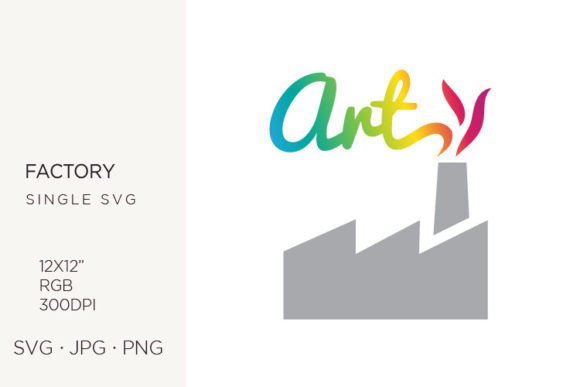
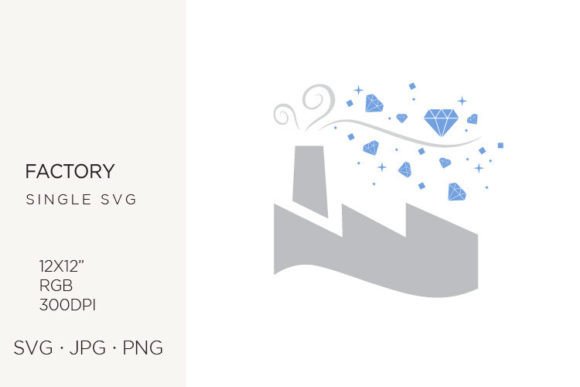
Factory Building Graphics: These assets are indispensable for businesses in manufacturing, logistics, construction, and industrial supply. However, their utility extends beyond corporate brochures. For educators, these clipart elements can be used to create engaging materials about supply chains, history, or economics. In the realm of party decor, a stylized factory theme can create a unique "construction zone" vibe for children's birthdays or industrial-chic wedding receptions. The clean lines of vector factories allow designers to strip away unnecessary detail, focusing on the iconic silhouette that instantly communicates "industry."
Diamond Illustrations: On the other end of the spectrum, diamond graphics symbolize luxury, durability, and celebration. These are naturally suited for jewelry designers creating marketing materials, but they are equally useful for handmade cards and announcements. A vector diamond can be easily recolored to match a specific brand identity or event theme, shifting from a classic clear gem to a sapphire blue or ruby red with just a few clicks in Illustrator. This flexibility makes them perfect for graphic and web design projects where consistency is key.
Practical Applications in Daily Life and Business
The true measure of a digital asset's worth is its application in real-world scenarios. Here is how these vector elements integrate into various sectors:
- Logo Design and Branding: Startups often need to convey trust and capability. A logo incorporating a stylized factory can suggest robust manufacturing capabilities, while a diamond element can imply premium quality. Because the files are vector-based, a designer can tweak the geometry to ensure the logo works on a tiny business card or a massive billboard.
- Wall Art and Home Decor: The rise of DIY home decor has made digital downloads incredibly popular. Artists can purchase these vector packs, arrange the factory and diamond elements into unique compositions, and print them on canvas or high-quality paper. The 12x12 artboard size is particularly convenient for creating cohesive gallery wall sets or single statement pieces.
- Stationery and Invitations: For event planners and papercraft enthusiasts, these elements are a goldmine. Imagine a wedding invitation suite where the save-the-date features a subtle diamond pattern, and the reception menu incorporates an artistic industrial border. The high 300 DPI resolution ensures that when these are printed on textured cardstock, the details remain sharp and professional.
- Educational Resources: Teachers can use these graphics to create visual aids. A lesson on geology could utilize the diamond clipart, while a unit on community helpers or local industry could leverage the factory buildings. The clarity of vector art ensures that projected images in a classroom remain clear even when enlarged.
Clarifying Common Misunderstandings
One common assumption among beginners is that "vector" automatically means "complicated to use." While the source files are created in advanced programs like Adobe Illustrator, the end-user does not necessarily need to be an expert to benefit from them. Most users will utilize the exported PNG or JPG files for immediate use in word processors, basic photo editors, or website builders. The vector advantage is there for those who choose to customize, but it is not a barrier to entry.
Another misconception involves the RGB color palette. Some users worry that RGB files will not print correctly, assuming they strictly need CMYK. While CMYK is traditional for offset printing, modern digital printers and home inkjets handle RGB files exceptionally well, often producing more vibrant results. Furthermore, since the source is vector, converting the color mode later in a professional workflow is a seamless process if strict CMYK adherence is required for a specific commercial press.
The Role of Digital Assets in the Creator Economy
We live in an era where the "creator economy" thrives on unique, high-quality content. Platforms like Etsy, Shopify, and personal portfolios rely on distinctive visuals to stand out. Using generic stock photos often leads to a homogenized look. By leveraging specialized vector packs featuring niche themes like factories and diamonds, creators can produce handmade craft items and printed paper items that feel bespoke and original.
For instance, a crafter making custom jewelry tags can use the diamond vector to laser-cut wooden tags or print foil-stamped labels. A web designer building a portfolio for an architect might use the factory clipart to create a dynamic hero image that scales perfectly across devices. The ability to manipulate these elements fosters innovation, allowing individuals to bridge the gap between digital convenience and tangible, physical products.
Conclusion: Empowering Your Creative Journey
In summary, digital graphics elements comprising factory buildings, diamonds, and versatile clipart are far more than simple images. They are foundational building blocks for a wide array of creative endeavors. When provided in high-resolution vector formats with flexible file types like SVG, JPG, and PNG, they empower users to tackle projects ranging from logo design to party decor with confidence.
Whether you are designing a handmade card for a loved one, developing a corporate identity for a manufacturing firm, or creating wall art for your home, understanding the technical strengths of these assets allows you to maximize their potential. The combination of professional-grade specifications (12x12 artboard, 300 DPI, RGB) and the inherent scalability of vector art ensures that your creations will look impeccable, no matter the medium. By embracing these tools, you join a broader community of creators who value quality, precision, and the limitless possibilities of digital design.