Unlocking Creative Potential: A Guide to Botanical Hand-Drawn Line Art for Modern Design
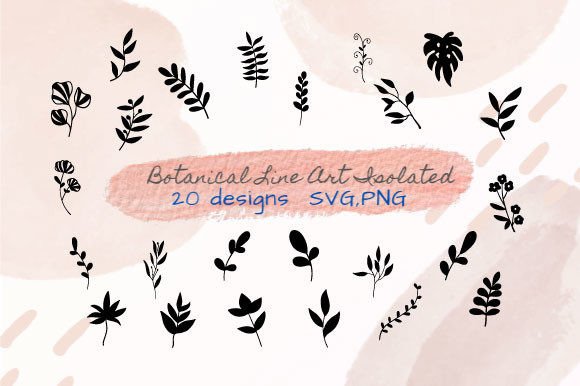
In the ever-evolving landscape of graphic design, there is a timeless appeal found in the simplicity of nature. Specifically, botanical hand-drawn isolated illustrations and botanical leaves line art have surged in popularity, becoming essential assets for creators across various industries. Whether you are a professional graphic designer, a small business owner creating your brand identity, or a hobbyist looking to add a personal touch to a wedding invitation, understanding the versatility and application of these digital resources is key. This collection of 20 hand-drawn floral line art elements offers more than just pretty pictures; it provides a foundational toolkit for modern creativity, bridging the gap between organic beauty and digital precision.
The Essence of Hand-Drawn Line Art
At its core, line art is an illustration that consists of distinct straight or curved lines placed against a usually plain background, without gradations in shade or hue to represent two-dimensional or three-dimensional objects. When applied to botanical subjects, this style strips away the complexity of color and shadow to focus on the fundamental structure and elegance of plants. The term "hand-drawn" implies a human touch, suggesting imperfection, warmth, and authenticity that computer-generated vectors sometimes lack.
These botanical leaves line art graphics are typically created by artists who sketch real flora, capturing the unique vein patterns of a monstera leaf or the delicate curvature of a fern. Once digitized, these sketches become powerful design elements. The significance of this style lies in its adaptability. Because the designs are often minimalistic, they do not clash with other design elements. Instead, they complement typography, photographs, and bold colors, making them perfect for layered compositions.
Why Choose Isolated Elements?
The concept of "isolated" elements is crucial for designers. When a graphic is isolated, it means the subject (in this case, the flower or leaf) is presented on a transparent background, free from any surrounding scenery or fixed borders. This isolation grants the user complete freedom. You are not forced to use the image exactly as it appears in a preview; instead, you can rotate, resize, recolor, and arrange these elements to fit your specific layout needs.
For instance, a single hand-drawn eucalyptus branch can be duplicated and arranged in a circle to create a wreath for a greeting card, or scattered randomly to create a seamless pattern for fabric printing. The ability to manipulate these individual components allows for infinite creative possibilities, ensuring that no two projects need look exactly the same.
Technical Formats: Understanding PNG and SVG Files
To truly leverage these botanical collections, one must understand the file formats provided: PNG and SVG. Each serves a distinct purpose in the workflow of a designer or creator.
- PNG (Portable Network Graphics): These files are raster images, meaning they are made of pixels. The primary advantage of PNGs in this context is their support for transparency. You can place a PNG leaf directly over a photo or a colored background without a white box appearing around it. They are ideal for web design, social media graphics, and digital invitations where ease of use is paramount.
- SVG (Scalable Vector Graphics): These are vector files, defined by mathematical paths rather than pixels. The superpower of SVG is scalability. You can shrink an SVG leaf to the size of a stamp or enlarge it to the size of a billboard, and it will remain crisp and sharp with no pixelation. This makes SVGs the preferred choice for professional printing, large-scale signage, and cutting machines used in crafting.
It is important to clarify a common misunderstanding regarding the text and backgrounds seen in product previews. Often, potential buyers see a beautiful mockup featuring the line art integrated with elegant script fonts and textured paper backgrounds. However, as noted in the product description, text and background are for display purposes only and not included. The purchase grants you the raw botanical elements, empowering you to choose your own typography and textures, thereby ensuring your final design is unique to your vision.
Practical Applications in Modern Life and Business
The utility of a 20 hand-drawn floral line art elements collection extends far beyond simple decoration. In today's visual economy, these assets play a pivotal role in branding, event planning, and product customization.
Elevating Event Stationery
One of the most popular uses for botanical line art is in the realm of wedding invitations and party decorations. The current trend in weddings leans heavily towards organic, rustic, and minimalist aesthetics. A delicate line drawing of a olive branch or a wildflower speaks to sophistication without being overpowering. Couples and stationers can use these elements to frame names, separate sections of information on a menu, or create cohesive motifs across save-the-dates, programs, and thank-you cards.
Product Design and Merchandising
For entrepreneurs looking to launch a product line, these graphics are invaluable. The ability to print these clipart elements on various substrates opens up diverse revenue streams. Consider the following applications:
- Textile and Fashion: Using the SVG files, designers can create repeating patterns for bed linen, clothing, or textile totes. The clean lines of the artwork translate beautifully onto fabric, offering a chic, nature-inspired look that appeals to eco-conscious consumers.
- Home Decor: From mugs to wall art prints, botanical themes bring a sense of calm to interior spaces. A simple line art fern printed on a ceramic mug becomes a daily reminder of nature for the user.
- Stickers and Labels: Small businesses selling handmade soaps, candles, or jams often require custom labels. These isolated elements can be easily incorporated into label designs to denote ingredients (like lavender or mint) or simply to add an artisanal feel to the packaging.
Digital Presence and Web Design
In the digital sphere, website owners and bloggers utilize these graphics to break up text and add visual interest to their layouts. A botanical divider between blog posts or a subtle leaf watermark in the background of a homepage can enhance user experience by making the site feel more curated and welcoming. Furthermore, because the files are optimized for digital use, they load quickly, which is a critical factor for SEO and user retention.
Fostering Creativity Through Scrapbooking and DIY
Beyond professional applications, these collections are a boon for the DIY community. Scrapbooking has evolved from physical photo albums to digital planning and hybrid crafts. Enthusiasts can print these botanical leaves on high-quality cardstock to create embellishments for journals. Alternatively, they can be used digitally in apps like GoodNotes or Procreate to decorate digital planners.
The educational value here is also significant. For students learning design principles, working with pre-made high-quality elements allows them to focus on composition, balance, and color theory without getting bogged down in the initial sketching phase. It serves as a bridge, allowing beginners to produce professional-looking work while they develop their own illustration skills.
Making the Most of Your Collection
To maximize the value of a 20-element collection, consider mixing and matching. Do not feel restricted to using the elements individually. Combine a large leaf with a smaller bloom to create a new composite flower. Flip and mirror the images to create symmetry. Change the stroke color in your design software to match seasonal palettes—think deep greens for winter or soft pastels for spring.
Remember, the true power of these graphic elements lies in their flexibility. They are not static images but dynamic tools waiting to be molded by your creativity. Whether you are designing a corporate logo that needs a touch of organic softness or creating a heartfelt greeting card for a friend, botanical hand-drawn line art offers a universal language of beauty and growth.
In conclusion, integrating botanical hand-drawn isolated graphics into your workflow is a strategic move for anyone involved in visual creation. By understanding the technical benefits of PNG and SVG formats and exploring the vast array of applications from wedding stationery to textile printing, you can unlock new levels of artistic expression. These 20 floral line art elements are more than just a download; they are an invitation to bring the serene beauty of the natural world into your everyday projects.