Unleashing Creativity: A Comprehensive Guide to the Fruit Cartoon Collection for Design and Education
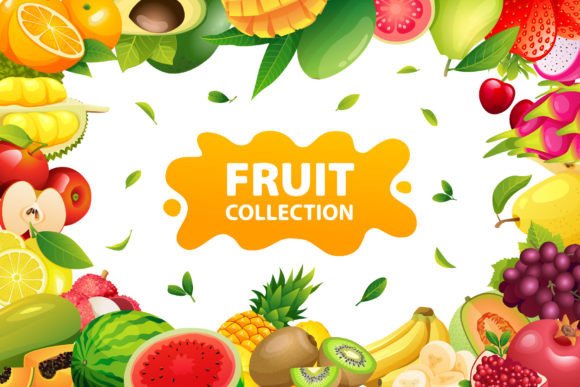
In the vibrant world of graphic design, digital illustration, and educational content creation, the choice of visual assets can make or break a project. Among the most universally recognized and cheerful subjects are fruits. They evoke feelings of health, freshness, and natural sweetness, making them ideal for a wide array of applications ranging from children's books to corporate branding for organic products. The Fruit Cartoon Collection stands out as a comprehensive resource designed to meet these diverse needs, offering a rich library of vector and raster graphics that cater to professionals, hobbyists, and educators alike.
This extensive set is just what you needed for the perfect invitations, craft DIY projects, paper products, decorations, printable, greetings cards, posters, stickers, web designs, presentation designs and much more. By providing a unified artistic style across twenty-one distinct fruit categories, this collection eliminates the common frustration of mixing and mismatching clip art with inconsistent line weights, color palettes, or shading techniques. Instead, it offers a cohesive visual language that ensures your final output looks polished and professional.
The Breadth of Botanical Variety
One of the defining characteristics of a high-quality asset library is its depth. A limited selection often forces designers to compromise on their vision or spend hours searching for complementary images. This collection addresses that challenge by offering an impressive inventory of elements, ensuring that whether you are designing a menu for a tropical juice bar or a biology worksheet for elementary students, you have the specific imagery required.
The collection is anchored by some of the most popular fruits in global culture. The Apple category leads the pack with 21 unique elements, providing ample variety for themes related to education, health, and autumn harvests. Following closely is the Lemon section, boasting 17 elements that capture the zest and brightness associated with citrus. For those focusing on summer themes, the Avocado (15 elements), Melon (14 elements), and Watermelon (13 elements) offer lush, green-heavy palettes that scream refreshment.
Tropical enthusiasts will find particular value in the exotic inclusions. The set does not stop at standard temperate fruits; it dives deep into tropical varieties with Pineapple (11 elements), Papaya (10 elements), and Mango (4 elements). It even includes niche favorites like Lychee, Mangosteen, Durian, and Dragon Fruit, each represented with multiple variations. This attention to detail allows creators to target specific cultural markets or create highly specialized content that generic clip art libraries often miss. From the spiky exterior of a Durian to the vibrant pink scales of a Dragon Fruit, the diversity here supports nuanced storytelling.
Detailed Element Breakdown
To fully appreciate the utility of this library, one must look at the specific counts and how they translate to design flexibility. A higher number of elements per fruit type means more poses, angles, and states (such as whole, sliced, or peeled) are available. Here is how the collection distributes its assets:
- Apple: 21 elements – Ideal for "teacher appreciation" themes and healthy eating campaigns.
- Lemon: 17 elements – Perfect for cleaning product labels and summer beverage menus.
- Avocado: 15 elements – Essential for modern lifestyle blogs and brunch cafe branding.
- Melon: 14 elements – Great for picnic invitations and summer sale flyers.
- Watermelon: 13 elements – A staple for party decorations and seasonal greetings.
- Pomegranate: 13 elements – Adds a touch of elegance and richness to luxury packaging.
- Kiwi: 12 elements – Useful for smoothie recipes and vitamin-focused content.
- Orange: 12 elements – Classic imagery for energy and vitality.
- Pear: 10 elements – Soft shapes suitable for baby shower invites and gentle narratives.
- Papaya: 10 elements – Distinctive tropical flair for travel brochures.
- Banana: 9 elements – Fun and playful, often used in comedy or kids' content.
- Cherry: 8 elements – Romantic and sweet, fitting for Valentine's or dessert themes.
- Guava: 6 elements – Niche tropical appeal.
- Grapes: 6 elements – Essential for wine labels or vineyard tourism.
- Lychee: 6 elements – Unique texture for Asian-inspired designs.
- Dragon Fruit: 5 elements – Trendy and visually striking for social media graphics.
- Strawberry: 4 elements – Although fewer in count, these are high-impact for romance and sweets.
- Mango: 4 elements – The king of fruits, vital for South Asian and tropical themes.
- Mangosteen: 4 elements – Exotic purple hues for distinctive branding.
- Durian: 4 elements – Bold imagery for adventurous food content.
Technical Versatility and File Formats
The true power of the Fruit Cartoon Collection lies not just in the artwork itself, but in the technical delivery of the files. In the professional design workflow, flexibility is paramount. Designers often need to scale images from a tiny favicon to a massive billboard without losing quality. This is where vector graphics become indispensable.
The collection includes AI CS5 Vector files, which are fully editable in Adobe Illustrator. This format is the industry standard for professional graphic designers, allowing for precise manipulation of anchor points, bezier curves, and color swatches. Furthermore, the inclusion of EPS 10 Vector files ensures compatibility with a broader range of software. EPS 10 is a robust format that can be opened by many vector-based graphic programs such as Adobe Illustrator, CorelDraw, and even older versions of design software, ensuring that users with different tech stacks can utilize the assets seamlessly.
For users who may not have access to professional vector editing software, the collection provides PNG files separated with transparent backgrounds. These raster images are incredibly versatile. PNG files will work with most graphic software, including user-friendly tools like MS PowerPoint, MS Word, and Pages. This makes the collection accessible to teachers creating worksheets, office managers designing internal newsletters, or small business owners putting together quick marketing materials. The transparency of the background is crucial; it allows the fruit illustrations to be layered over any colored background, textured paper, or photographic image without unsightly white boxes surrounding them.
Streamlined Workflow Integration
Efficiency is a key consideration for any creative professional. The documentation for this set emphasizes ease of use: "Simply drag the desired file into your project." This drag-and-drop functionality significantly reduces the time spent on asset management. Whether you are working in a complex layout program like InDesign or a simple word processor, the ability to instantly integrate high-quality graphics accelerates the production timeline.
The dual-format approach (Vector + PNG) also serves as a safety net. You can start with the PNG for rapid prototyping and layout composition. Once the design is approved, you can swap in the AI or EPS vector files for the final print-ready version, ensuring crisp edges and scalable resolution. This workflow adaptability makes the Fruit Cartoon Collection suitable for both quick-turnaround digital projects and high-stakes print jobs.
Real-World Applications Across Industries
The versatility of this fruit-themed asset library extends far beyond simple decoration. Its application spans multiple industries, each leveraging the cheerful and recognizable nature of fruit imagery to communicate specific messages.
Education and E-Learning: Teachers and instructional designers can utilize the clear, distinct shapes of the fruits to create engaging learning materials. The variety allows for counting exercises, color recognition lessons, and nutrition guides. The transparent PNGs are particularly useful here, as they can be easily dropped into PowerPoint slides or interactive PDFs without requiring advanced design skills.
Food and Beverage Branding: For cafes, juice bars, and organic grocery stores, consistent branding is essential. Using a single collection ensures that the apple on the logo matches the apple on the menu and the strawberry on the loyalty card. The vector formats allow these businesses to print the graphics on everything from napkins to large storefront windows without pixelation.
Event Planning and Stationery: The prompt highlights the set's suitability for "perfect invitations" and "greetings cards." Wedding planners organizing a summer orchard wedding, or parents planning a fruity-themed birthday party, can use these elements to create cohesive suites of stationery. The hand-drawn, cartoon style adds a warm, personal touch that stock photography often lacks.
Digital Product Design: Web designers and app developers can incorporate these icons into user interfaces. The "web designs" and "presentation designs" mentioned in the product details suggest that these assets are optimized for screen display as well. They can serve as navigation icons, bullet points, or decorative headers in blog posts about healthy living.
Considerations for Commercial Use
When integrating assets like the Fruit Cartoon Collection into commercial projects, understanding the file capabilities is part of due diligence. The fact that the vectors are "Fully Editable" is a significant advantage. It means that if a brand's color scheme is teal and coral, a designer can open the AI file and shift the green of the Kiwi or the red of the Apple to match the brand identity perfectly. This level of customization transforms generic clip art into bespoke brand assets.
Moreover, the sheer volume of elements—totaling well over 200 individual graphics—provides excellent value. Instead of purchasing individual icons for a banana, a grape, and a melon from different artists, risking stylistic clash, users get a unified system. This consistency builds trust with the audience; a cohesive visual identity suggests professionalism and attention to detail.
The Role of Aesthetic Consistency in User Engagement
In an era where visual content is consumed rapidly, the aesthetic quality of graphics plays a pivotal role in retaining audience attention. The cartoon style employed in this collection strikes a balance between simplicity and detail. It is detailed enough to be recognizable and appetizing, yet simple enough to remain legible at small sizes, such as on mobile screens or stickers.
The use of bright, saturated colors typical of fruit illustrations triggers positive psychological responses. Colors like the yellow of the Lemon, the red of the Cherry, and the orange of the Orange are known to stimulate appetite and evoke feelings of happiness and energy. By utilizing a collection that maximizes these color properties across 21 different fruit types, creators can subconsciously influence the mood of their viewers. Whether it is a poster encouraging children to eat more vegetables or a website promoting a new line of natural skincare products, the underlying psychology of the imagery supports the core message.
Furthermore, the inclusion of less common fruits like Mangosteen and Guava allows for differentiation. In a crowded market, using the same banana and apple icons as everyone else can make a brand feel generic. Incorporating a Durian or Dragon Fruit into a design can spark curiosity and conversation, setting a project apart from the competition. This collection empowers designers to take those creative risks by providing high-quality assets for these unique subjects.
Conclusion on Utility and Impact
The Fruit Cartoon Collection represents more than just a folder of images; it is a toolkit for visual communication. Its strength lies in the combination of extensive variety, technical flexibility, and stylistic unity. By offering both vector and raster formats, it bridges the gap between professional design studios and casual creators. The specific breakdown of elements ensures that no matter the project scope—from a single sticker to a comprehensive branding package—the necessary assets are available.
For educators, it simplifies the creation of engaging materials. For business owners, it offers a cost-effective way to achieve professional-grade branding. For designers, it saves hours of illustration time while providing full editability. As the demand for fresh, vibrant, and healthy-themed content continues to grow across digital and print media, having a reliable, high-quality source of fruit imagery becomes an invaluable asset. This set delivers on that promise, providing the foundational elements needed to bring colorful, lively, and effective designs to life.