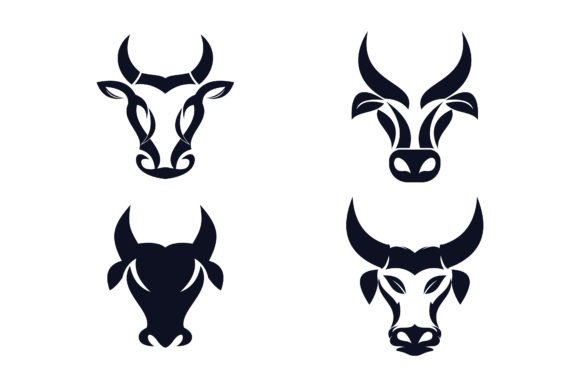
Harnessing Raw Power: The Strategic Evolution of the Bull Logo in Modern Brand Identity
In the saturated landscape of contemporary branding, where attention is the most scarce currency, the choice of a mascot or symbol carries immense weight. Among the myriad of animal motifs available to designers and entrepreneurs, few possess the immediate visceral impact of the bull logo. This is not merely an aesthetic choice; it is a psychological signal. From the trading floors of Wall Street to the smokehouses of Texas, the image of the bull—whether rendered as a sleek vector, a rugged silhouette, or an abstract geometric form—communicates a universal language of strength, aggression, and forward momentum.
For professionals, creators, and marketers, understanding the nuance behind this iconic imagery is essential. The bull is no longer just a representation of livestock or agriculture; it has evolved into a multifaceted brand asset that bridges the gap between traditional heritage and modern minimalism. As businesses seek to establish a dominant market presence, the strategic deployment of bull imagery offers a compelling narrative of resilience and power.
The Psychology of Strength and Market Dominance
At its core, the appeal of the bull lies in its biological and cultural associations with raw force. When a consumer sees a bull head or a stylized horned figure, the subconscious reaction is one of respect for power. In the financial sector, this symbolism is literal; the "bull market" represents optimism and rising values. Consequently, investment firms, fintech startups, and banking institutions frequently utilize bull logos to project stability and growth potential. A well-designed bull emblem suggests that the company is not merely participating in the market but is driving it forward with unstoppable force.
However, the application extends far beyond finance. In the sports and apparel industries, the bull serves as a mascot for teams and brands that wish to embody toughness and competitive spirit. The aggressive stance of a charging bison or the stoic glare of an Angus steer translates perfectly into athletic wear, gym branding, and energy products. Here, the logo acts as a badge of honor, inviting the consumer to align themselves with the attributes of the beast: endurance, muscle, and an unyielding will to win.
From Rural Roots to Urban Sophistication
Historically, the bull was synonymous with the farm, the ranch, and the rural lifestyle. It represented the backbone of agriculture, a symbol of the cow, ox, or bison that powered the economy of the American West. Today, while those roots remain relevant for barbecue restaurants, steakhouses, and organic meat suppliers, the iconography has undergone a significant transformation. Modern design trends have stripped away the excessive detail of vintage illustrations in favor of clean lines, negative space, and minimalist aesthetics.
Consider the evolution of the longhorn symbol. Once a detailed drawing of a Texas ranch icon, it is now often reduced to a single continuous line or a geometric shape that hints at the horns without explicitly drawing the animal. This shift reflects a broader consumer preference for versatility. A vector bull logo must look equally impressive on a mobile app icon, a massive highway billboard, and an embroidered patch on a jacket. The move toward abstract and stylized representations allows brands to retain the essence of the bull—its horns, its broad shoulders, its intensity—while shedding the baggage of being solely an "agricultural" brand.
Design Trends Shaping the Bovine Identity
The current design ecosystem demands flexibility. A successful bull logo today is rarely a static image; it is a dynamic system. Designers are experimenting with various styles to ensure the symbol resonates across different demographics:
- Linear and Monoline Styles: Using a single continuous line to create the outline of a bull's face offers a sense of elegance and modernity. This approach is particularly popular in luxury goods, jewelry, and high-end consulting firms where subtlety is preferred over brute force.
- Geometric and Low-Poly Art: Breaking the bull's form into triangular facets creates a tech-forward, digital-native feel. This style connects the ancient symbol of strength with the future of technology, making it ideal for software companies and crypto exchanges.
- Vintage and Retro Badges: There is a enduring nostalgia for the old-school butcher shop or the classic rodeo poster. Brands in the food and beverage sector, particularly craft breweries and artisanal burger joints, often employ vintage typography paired with a detailed, engraved-style bull illustration to evoke authenticity and tradition.
- Mascot and Cartoon Variations: For family-oriented brands or sports teams, a more character-driven approach works best. An angry yet approachable cartoon bull can serve as a memorable mascot that humanizes the brand while maintaining an edge of competitiveness.
The color palette also plays a pivotal role. While black and white remain the staples for their timeless contrast and ease of reproduction, the introduction of red adds a layer of urgency, passion, and danger. Red is frequently used in food branding to stimulate appetite and in financial logos to signify bold action. Conversely, earth tones like brown and olive green reconnect the brand to nature, sustainability, and organic origins, appealing to the eco-conscious consumer.
The Culinary Connection: Fire, Meat, and Flavor
In the culinary world, the bull logo is indispensable. For steak houses, BBQ joints, and butcheries, the image of the bull is a direct promise of quality. It tells the customer exactly what to expect: premium beef, robust flavors, and a hearty dining experience. However, the execution matters. A high-end steakhouse might opt for a luxury gold-foil embossed bull head, suggesting exclusivity and prime cuts. In contrast, a roadside smokehouse might choose a fiery, distressed stamp featuring a bull surrounded by flames and smoke, emphasizing the cooking method and the rustic atmosphere.
The integration of elements like fire, grill marks, or chef hats alongside the bull icon helps to contextualize the brand immediately. It transforms the animal from a living creature into a symbol of gastronomic excellence. This duality allows the logo to function as both a label of origin and a mark of culinary artistry.
Why the Bull Remains Relevant in a Digital Age
One might ask why, in an era dominated by AI, cloud computing, and virtual reality, an ancient agricultural symbol remains so potent. The answer lies in the human need for tangible anchors. As our lives become increasingly digital and abstract, we crave symbols that represent something solid, real, and powerful. The bull provides that anchor. It is a creature of the earth, grounded and undeniable.
Furthermore, the versatility of the bull logo allows it to adapt to changing workflows and market expectations. In the gig economy, freelancers and consultants often adopt personal branding strategies that require a strong visual identity. A stylized bull monogram using the initial of their name can convey reliability and drive without appearing corporate or stiff. For startups, the bull represents the "disruptor" mentality—the willingness to charge through barriers and challenge the status quo.
The trend toward flat design and responsive web graphics has also favored the bull. Its distinct silhouette, characterized by the iconic curve of the horns and the mass of the shoulders, scales beautifully. Whether shrunk down to a favicon or expanded to a building wrap, the shape remains recognizable. This scalability is crucial in a multi-platform world where a brand exists simultaneously on a smartwatch, a tablet, and a physical storefront.
Strategic Implementation for Creators and Entrepreneurs
For those looking to integrate a bull motif into their brand identity, the key is intentionality. It is not enough to simply slap a clip-art bull onto a business card. The design must align with the brand's core values and target audience.
- Define the Narrative: Is your brand about aggressive growth (finance/sports), rustic authenticity (food/travel), or elegant strength (luxury/consulting)? The style of the bull should mirror this narrative.
- Prioritize Simplicity: Avoid over-complicating the design with too many details. A simple, bold shape is more memorable and versatile than a complex illustration. Focus on the essential elements: the horns, the eyes, and the stance.
- Consider Cultural Context: While the bull is generally positive in Western cultures, representing prosperity and strength, it is important to be aware of global perceptions. In some contexts, the bull can be seen as dangerous or destructive. Ensure the tone of the logo matches the cultural sensibilities of your target market.
- Test for Versatility: Before finalizing the design, test the logo in various formats. Does it work in a single color? Is it legible at small sizes? Does it stand out against different backgrounds?
Ultimately, the bull logo endures because it taps into a primal archetype. It speaks to the part of us that respects power, admires resilience, and seeks stability. Whether utilized by a multinational corporation, a local butcher, or an independent artist, the bull remains a timeless symbol of potential energy waiting to be unleashed. By understanding its history, adapting its form to modern aesthetics, and applying it with strategic foresight, brands can harness this powerful imagery to build identities that are not just seen, but felt.
As we move forward, the evolution of the bull symbol will likely continue, blending traditional craftsmanship with digital innovation. Yet, its fundamental message will remain unchanged: a declaration of strength, a promise of quality, and a testament to the enduring power of nature's most formidable beasts.