Evaluating Watercolor Flower Painted Frame Clipart for Creative Projects
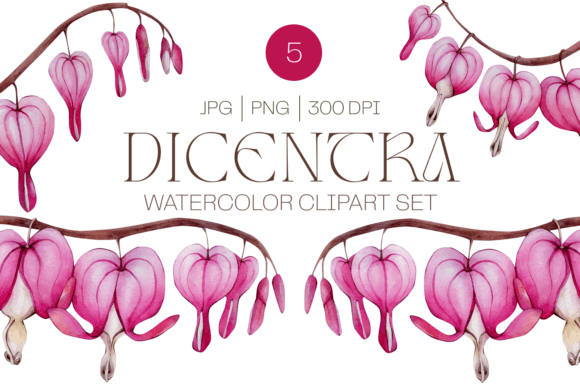
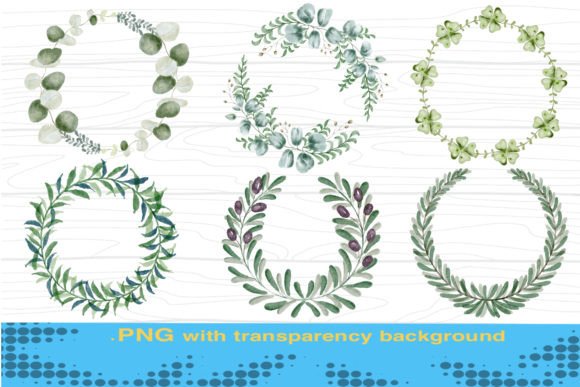
In the realm of digital design and creative production, the selection of visual assets plays a pivotal role in defining the aesthetic tone of a project. Watercolor Flower Painted Frame Clipart represents a specific category of digital illustration that combines the organic, fluid qualities of traditional watercolor painting with the versatility of modern digital formats. These assets typically feature hand-drawn floral elements arranged to create borders, corners, or complete frames, often accompanied by standalone painted illustration elements. A defining technical characteristic of high-quality versions of these assets is the inclusion of a transparency background, usually delivered in PNG format at 300 DPI resolution. This combination allows designers to layer imagery seamlessly over various backgrounds without unsightly white boxes or jagged edges.
For individuals researching design resources, understanding the utility and limitations of these clipart collections is essential. The appeal of watercolor florals lies in their ability to convey softness, elegance, and a handcrafted feel that vector graphics or rigid geometric shapes often cannot replicate. When evaluating whether water color hand draw flowers painted illustration elements are the right fit for a specific workflow, one must consider the intended application, the required resolution, and the stylistic coherence of the final output.
Core Characteristics and Technical Specifications
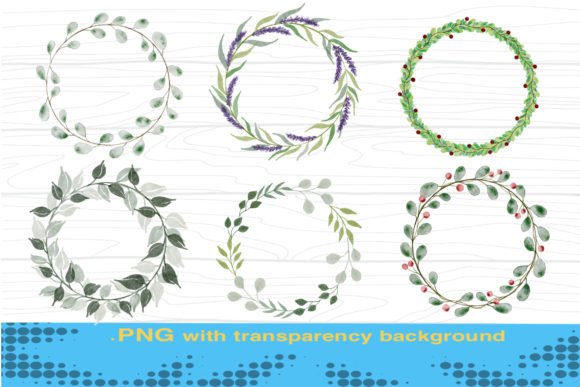
The primary value proposition of this type of clipart is its hybrid nature. It offers the artistic texture of wet-on-wet paint techniques—characterized by bleeding colors, soft gradients, and visible brushstrokes—while providing the editability of a digital file. The standard for professional use dictates that these images should be provided as PNG files with transparent backgrounds. This transparency is crucial; it ensures that the floral frames can be placed over colored paper textures, photographic backgrounds, or patterned surfaces without requiring manual masking or erasing by the end-user.
Furthermore, resolution is a critical factor in evaluation. High-resolution files, specifically those at 300 DPI (dots per inch), are necessary for any project intended for physical printing. Whether the goal is creating wedding stationery, packaging design, or wall art, 300 DPI ensures that the delicate details of the watercolor washes remain crisp and do not appear pixelated when rendered on paper. Conversely, lower resolution files may suffice for screen-only applications like web banners or social media promotion, but starting with high-resolution source files provides greater flexibility for future scaling.
Practical Applications and Use Cases
The versatility of Watercolor Flower Painted Frame Clipart makes it a strong candidate for a wide array of industries and personal projects. Its soft aesthetic aligns particularly well with sectors that prioritize warmth, nature, and approachability.
- Wedding and Event Stationery: This is perhaps the most common application. The romantic and timeless quality of watercolor flowers suits invitation cards, save-the-dates, menu cards, and place settings. The frame elements allow for structured text placement while maintaining an organic border.
- Branding and Identity: For businesses in the cosmetic, wellness, or boutique retail sectors, these illustrations can serve as logo components or brand patterns. They help establish a visual identity that feels artisanal and premium.
- Packaging and Surface Design: The scalability of 300 DPI PNGs allows these elements to be used on gift wrapping paper, product boxes, and textile designs. The transparency facilitates easy integration into repeat patterns for fabric or wallpaper.
- Digital Content Creation: Bloggers and social media managers utilize these assets for post overlays, story highlights, and web banners to add a touch of personality to digital interfaces.
- Scrapbooking and Paper Crafts: Hobbyists value these elements for physical scrapbooking, card making, and journaling, where the "hand-drawn" look complements other mixed-media materials.
Benefits and Strategic Advantages
Choosing pre-made watercolor floral elements offers significant efficiency benefits compared to commissioning custom paintings or creating them from scratch. For designers working under tight deadlines, having access to a cohesive set of hand draw flowers painted illustration elements accelerates the layout process. The consistency in style across a clipart pack ensures that all visual elements in a project harmonize, avoiding the disjointed look that can occur when mixing assets from different artists.
Additionally, the cost-effectiveness of stock clipart cannot be overlooked. Acquiring a comprehensive bundle is generally far more economical than hiring an illustrator for a bespoke series of images. For small business owners or independent creators managing their own branding, this provides a pathway to professional-grade visuals without prohibitive upfront costs. The transparent background feature further reduces labor time, eliminating the need for complex photo editing tasks to isolate subjects.
Considerations and Potential Tradeoffs
While the advantages are clear, there are tradeoffs to consider when selecting Watercolor Flower Painted Frame Clipart. The most significant limitation is exclusivity. Because these assets are often sold to multiple users, there is a risk that another brand or individual may use identical or very similar elements. For large-scale corporate branding where unique intellectual property is paramount, relying solely on stock clipart may present a risk of brand dilution or lack of distinctiveness.
Another consideration is the degree of customization. While PNG files allow for resizing and recoloring to some extent (depending on the software used), they are raster images, not vectors. This means that enlarging them beyond their original dimensions will result in quality loss. Furthermore, altering the specific shape of a watercolor wash or moving individual petals within a flattened PNG is difficult without advanced Photoshop skills. Users expecting the infinite scalability of SVG or AI vector files may find raster-based watercolor clipart limiting for certain large-format applications, such as billboard advertising or massive vehicle wraps.
Decision-Making Insights: Is This the Right Fit?
To determine if these assets align with your goals, evaluate the specific requirements of your project against the capabilities of the medium.
Situations where Watercolor Flower Painted Frame Clipart is a strong fit:
- You require a soft, organic, or romantic aesthetic that mimics traditional art.
- Your project involves print media (invitations, packaging) requiring 300 DPI resolution.
- You need to assemble a design quickly without the budget for custom illustration.
- Your distribution channel includes both digital and physical formats, benefiting from high-res transparent files.
- The project is for personal use, small business branding, or limited-run events where total exclusivity is not critical.
Situations where alternatives may be worth considering:
- Vector Scalability is Required: If the design needs to be scaled indefinitely without pixelation (e.g., large signage), vector floral illustrations might be a better technical choice, though they may lack the authentic watercolor texture.
- Total Brand Exclusivity: If establishing a completely unique visual trademark is the primary goal, commissioning a custom artist to create proprietary watercolor assets is advisable.
- Complex Animation: If the flowers need to be animated individually for video content, layered source files (PSD) or vector formats are superior to flattened PNGs.
In conclusion, Watercolor Flower Painted Frame Clipart serves as a powerful tool in the designer's toolkit, bridging the gap between artistic expression and practical application. By offering high-resolution, transparent, and aesthetically pleasing elements, these assets support a diverse range of creative endeavors from wedding stationery to cosmetic packaging. However, a balanced approach involves recognizing the limitations regarding exclusivity and scalability. By carefully weighing these factors against project goals, creators can make informed decisions that ensure their final designs are both beautiful and technically sound.