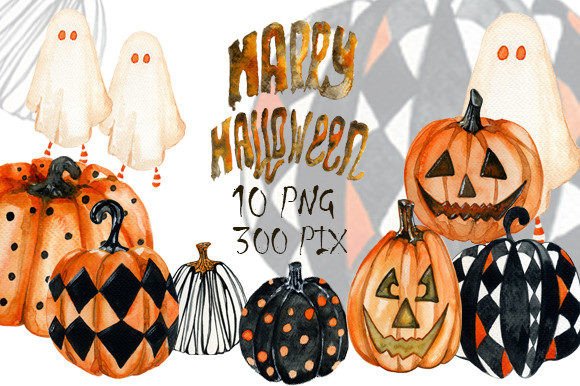
Elevate Designs with Airy Watercolor Clip Art
In the world of visual communication, texture and mood often speak louder than words. While digital vector graphics offer precision, they can sometimes feel sterile or overly rigid. This is where Watercolor Clip Art bridges the gap between traditional artistry and modern design efficiency. Specifically, hand-painted watercolor elements bring an organic, airy quality that instantly softens a layout and adds a human touch. For creators working on seasonal projects, such as those requiring a spooky yet whimsical aesthetic, integrating high-quality Halloween clipart can transform a standard invitation into a memorable piece of art.
Understanding the value of these assets requires looking beyond the image itself to the workflow improvements they offer. When you utilize a set of gorgeous hand-painted watercolor elements, you are not just adding a picture; you are importing a specific atmosphere. The translucent layers, the bleeding edges, and the subtle variations in pigment density mimic real brushstrokes. This level of detail is difficult to replicate from scratch without significant artistic skill and time. By leveraging pre-made, high-resolution files, professionals and hobbyists alike can focus on composition and messaging rather than getting bogged down in the technicalities of painting.
The Strategic Advantage of High-Resolution Assets
One of the most critical factors in professional design is resolution. A common pitfall for many entrepreneurs and bloggers is using low-quality images that appear pixelated when printed or viewed on high-definition screens. A robust collection of hand-painted watercolor Clip art typically provides files at 300 DPI (dots per inch), which is the industry standard for print. With dimensions approximating 3000 x 3000 pixels, these elements offer substantial flexibility. You can scale them up for large format posters or scale them down for intricate product stickers without losing clarity.
This versatility is particularly valuable for small business owners who need to maintain brand consistency across various mediums. Imagine a boutique owner preparing for the autumn season. They might need cohesive visuals for their website banner, physical greeting cards, and social media posts. Using a unified set of airy watercolor illustrations ensures that the color palette and artistic style remain consistent, strengthening brand recognition. Instead of commissioning a custom illustrator for every single asset—a process that can be costly and time-consuming—downloading a curated set allows for immediate implementation. The instant download model means there is no waiting for shipping or production delays; you buy, print, and enjoy immediately.
Practical Applications for Seasonal and Everyday Design
The utility of these graphics extends far beyond simple decoration. For event planners and party organizers, Halloween clipart serves as a foundational element for creating immersive experiences. Consider the design of a photo booth backdrop. A flat, solid-color background often fails to engage guests. However, layering hand-painted pumpkins, ghosts, or autumnal foliage creates depth and encourages interaction. These elements can be arranged to frame subjects perfectly, making the resulting photos more shareable on social media, which indirectly markets the event or business hosting it.
Similarly, in the realm of stationery and paper crafts, the application is endless. Scrapbookers and card makers often struggle to find embellishments that look authentic. Digital overlays that mimic real watercolor paint allow for the creation of decoupage projects and handmade cards that feel artisanal. When designing invitations for a Halloween gathering or a fall wedding, incorporating these textures can elevate the perceived value of the event before a guest even arrives. The "airy" nature of the illustrations prevents the design from feeling heavy or cluttered, maintaining a sense of elegance even when dealing with traditionally bold holiday themes.
For content creators and bloggers, these assets solve the problem of generic stock photography. Using unique watercolor elements as photo overlays or section dividers in blog posts can significantly improve user engagement. It breaks up text visually and guides the reader's eye through the content. Furthermore, these graphics are ideal for creating quote images for platforms like Instagram or Pinterest. The soft background of a watercolor wash provides excellent contrast for typography, ensuring readability while adding aesthetic appeal.
Navigating Licensing and Usage Rights
While the creative possibilities are vast, it is essential to approach the use of digital assets with a clear understanding of licensing terms. Most high-quality clip art sets, including those featuring Halloween themes, come with specific guidelines to protect the artist's intellectual property. Typically, these licenses permit personal use and incorporation into your own artwork as a smaller aspect of a larger design. This means you can use the elements to create a finished product, such as a printed poster, a custom t-shirt, or a branded business card, and sell that final physical or digital product.
However, there are strict limitations to observe. You cannot claim the original clip art files as your own creation. Additionally, selling the files "as is" or redistributing them as part of a competing clip art bundle is prohibited. This distinction is crucial for freelancers and agencies. If you are designing a logo for a client using these watercolor elements, ensure that the final deliverable is a flattened image or a unique composition where the clip art is integrated seamlessly, rather than providing the client with the raw source files to use however they please. Respecting these boundaries ensures a sustainable ecosystem where artists are compensated for their work, allowing them to continue producing the high-quality resources designers rely on.
Ideal Users and Workflow Integration
Who benefits most from integrating Watercolor Clip Art into their toolkit? The primary beneficiaries are individuals who need to produce high-volume, high-quality visual content without the overhead of a full art department. Educators creating classroom materials, marketers designing seasonal campaigns, and publishers laying out book covers all find immense value here. For the DIY enthusiast, these tools democratize design, allowing someone with limited drawing skills to produce professional-looking crafts and gifts.
Integrating these files into your workflow is straightforward. Since they are usually provided in PNG format with transparent backgrounds, they can be dragged and dropped into almost any design software, from industry standards like Adobe Photoshop and Illustrator to user-friendly platforms like Canva or Microsoft Word. This compatibility reduces the learning curve and speeds up the production timeline. Whether you are printing on fabric for a tote bag project or designing a digital scheduler for your website, the adaptability of these 10x10 inch, 300 DPI files ensures they fit your needs.
In conclusion, the decision to use hand-painted watercolor elements is a strategic one. It balances the desire for unique, organic aesthetics with the practical needs of speed and cost-efficiency. By selecting a high-resolution set suitable for your specific theme, such as a Halloween collection, you equip yourself with the tools necessary to create compelling, professional-grade visuals. Whether for commercial products, personal hobbies, or community projects, these assets provide a reliable foundation for creativity, allowing you to focus on the story you want to tell rather than the mechanics of how to paint it.