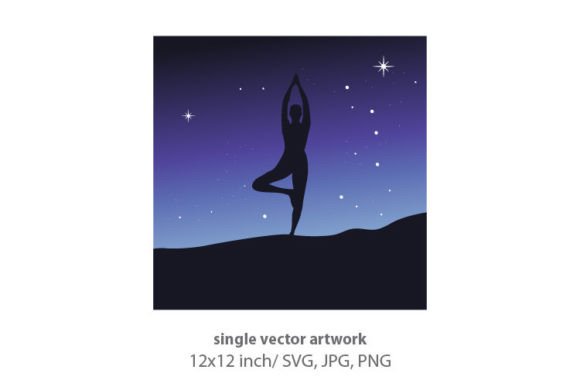
Bringing Serenity to Your Designs with Starry Night and Woman Practicing Yoga SVG Artwork
There is a specific kind of magic that happens when you combine the timeless, swirling energy of Van Gogh's Starry Night with the grounded, peaceful posture of a woman practicing yoga. This fusion creates more than just an image; it evokes a feeling of balance amidst chaos, a concept that resonates deeply with modern audiences. Whether you are a small business owner launching a wellness brand, a blogger looking for unique header images, or a hobbyist creating handmade greeting cards, leveraging high-quality digital graphics like the Starry Night and Woman Practicing Yoga collection can elevate your projects instantly. However, diving into the world of digital assets requires a bit of know-how to ensure you get the best results from your investment.
Many creators rush into downloading and using SVG files without fully understanding the technical nuances, often leading to frustrating outcomes. The difference between a professional-looking logo and a pixelated mess often comes down to how you handle the file formats and resolution settings. This guide aims to walk you through the common pitfalls associated with using these specific digital elements and offers practical advice on how to maximize their potential in your creative workflow.
Understanding the Value of Vector vs. Raster Formats
One of the most frequent misunderstandings among beginners involves the difference between the file types included in your download package. Typically, a comprehensive zip file for a design like this will include an SVG file, a JPG file at 300 DPI, and a PNG file. It is crucial to recognize that not all files are created equal, and using the wrong one for your specific project can compromise quality.
The SVG (Scalable Vector Graphics) file is your most valuable asset here. Because these files are made in a vector program like Adobe Illustrator, they use mathematical paths rather than pixels. This means you can scale the Starry Night and Woman Practicing Yoga design up to the size of a billboard or down to the size of a business card without losing any sharpness. A common mistake is ignoring the SVG and relying solely on the JPG or PNG for everything. If you try to enlarge a raster image (JPG or PNG) beyond its original dimensions, it becomes blocky and pixelated, which looks unprofessional on printed materials or large wall art.
Conversely, the JPG file included in this pack is rendered at 300 DPI (dots per inch). This resolution is the gold standard for printing. If you are creating physical items like invitations, announcements, or stationery, this file is ready to go for professional printers. However, do not attempt to edit the colors or separate elements within a JPG; it is a flattened image. For web design or social media graphics where transparency is needed, the PNG file is your go-to, provided you stay within its resolution limits.
Avoiding Color and Resolution Pitfalls
Another area where creators often stumble is color management. The files in this collection are provided in the RGB color palette. RGB stands for Red, Green, and Blue, which is the color mode used for screens—monitors, smartphones, and tablets. If your primary goal is graphic and web design, blogging, or digital marketing, RGB is perfect. The colors will appear vibrant and true to what you see on your screen.
However, if you intend to use these graphics for handmade craft items that will be professionally printed, such as party decor or high-end printed paper items, you need to be cautious. Professional printing presses often use the CMYK (Cyan, Magenta, Yellow, Key/Black) color model. While many modern printers can handle RGB files, converting them automatically can sometimes result in duller blues or muted yellows compared to the original digital file. To avoid disappointment, always request a proof from your printer or convert your file to CMYK in your design software before sending it off for large production runs. For home printing on standard inkjet printers, RGB usually works fine, but being aware of this distinction saves time and money.
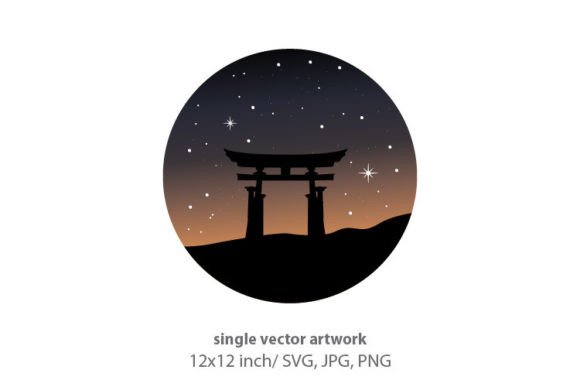
Additionally, pay attention to the artboard size. This specific collection features a 12x12 inch artboard. This is a popular size for scrapbooking and square social media posts. If you are designing a landscape-oriented banner for a website, simply placing the 12x12 image might leave awkward empty space. Instead of stretching the image to fit, which distorts the yoga pose and the swirling stars, use your design software to crop the background or layer additional elements to fill the space while keeping the main subject proportional.
Maximizing Versatility Across Different Projects
The beauty of the Starry Night and Woman Practicing Yoga artwork lies in its versatility, but only if you approach each project with the right strategy. Let's look at how to apply this correctly across different mediums:
- Logo Design: If you are building a brand for a yoga studio or a mindfulness coach, use the SVG file. Import it into Adobe Illustrator or a similar vector editor. You can simplify the background swirls if they compete with text, ensuring the logo remains legible at small sizes, such as on a favicon or social media profile picture.
- Wall Art and Home Decor: For creating large canvas prints or vinyl decals, the vector nature of the SVG is essential. You can scale the design to fit a 40-inch canvas without fear of blurriness. Ensure you communicate clearly with your print service about the file type you are supplying.
- Stationery and Invitations: Wedding invitations or party announcements benefit from the high-resolution 300 DPI JPG. The detail in the starry sky adds a touch of elegance. Just remember to check the bleed settings if your design goes to the edge of the paper.
- Web and App Design: When using these elements for websites, optimize the PNG or SVG for web speed. While the source file is high quality, uploading a massive 12x12 inch file directly to a webpage can slow down load times. Resize the image to the exact display dimensions needed (e.g., 800 pixels wide) before exporting for the web.
Practical Steps Before You Start Creating
Before you open your design software, take a moment to organize your workflow. Download the Zip file and extract all contents immediately. You should see three distinct files: one SVG, one JPG, and one PNG. Keep them in a dedicated folder for your project. It is surprisingly easy to lose track of which version you are editing, leading to accidental usage of a low-res web graphic for a print project.
If you are new to vector editing, don't be intimidated. The fact that these files are made in Adobe Illustrator means they are compatible with many other programs like Inkscape (a free alternative), CorelDRAW, or even Cricut Design Space for cutting machines. If you plan to use this for handmade cards or vinyl cutting, the SVG allows you to separate the silhouette of the woman from the background stars, giving you creative freedom to use different materials for each layer.
Finally, consider the context of your audience. The imagery of yoga under a starry sky suggests tranquility, night-time routines, or dreamscapes. Ensure that the text you pair with this image matches that tone. Using a bold, aggressive font might clash with the serene visual, whereas a flowing script or a clean sans-serif font would complement the Starry Night and Woman Practicing Yoga theme beautifully.
By paying attention to file formats, understanding color modes, and matching the asset to the right medium, you transform a simple digital download into a powerful tool for your business or hobby. Avoid the shortcut of using the first file you see; instead, choose the right tool for the job. With these precautions in mind, your resulting logos, wall art, and printed materials will look polished, professional, and truly inspiring.